

RTA approved speed limiter Dubai: Installation, Testing and Certification
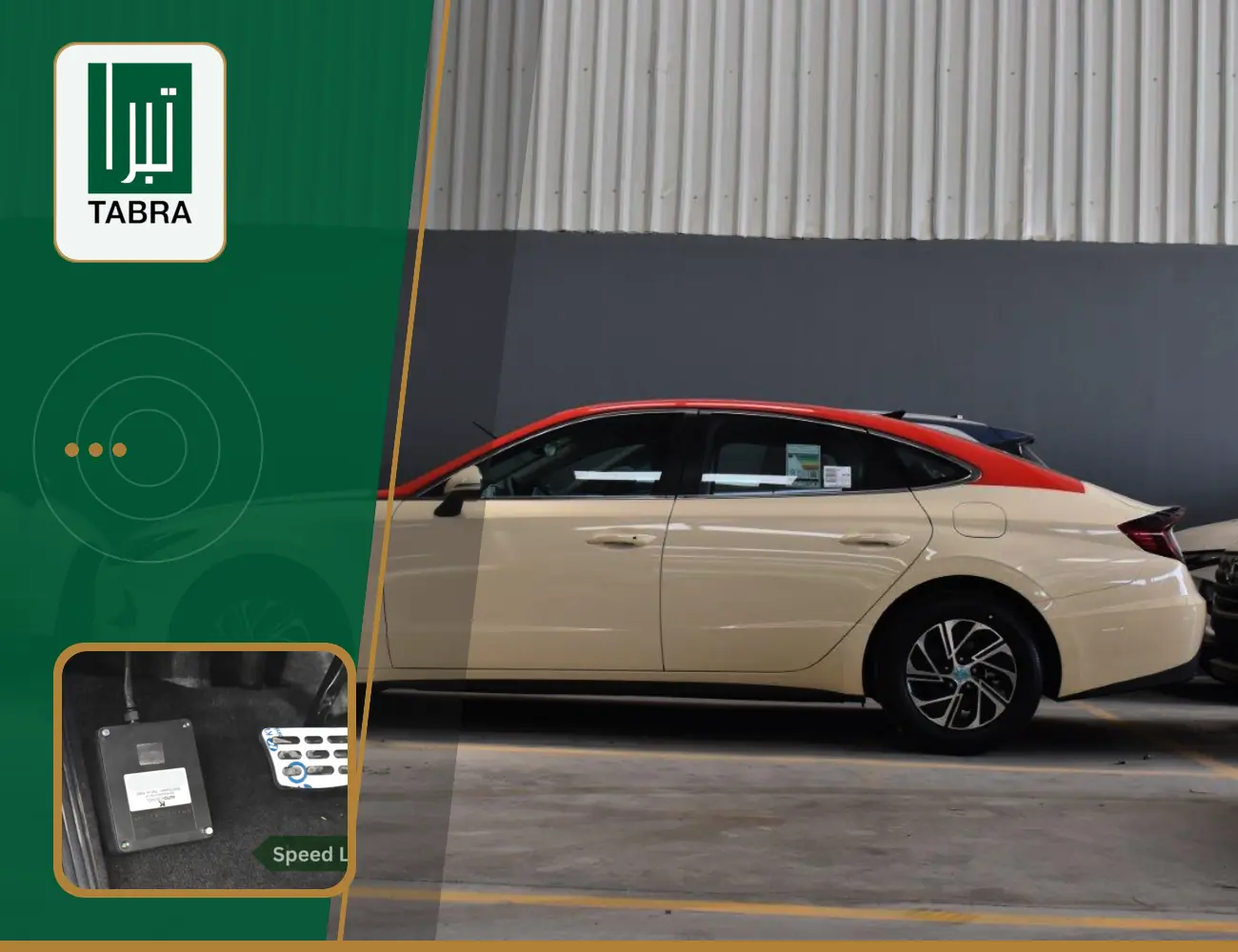
Choosing an RTA approved speed limiter Dubai fleet operators can rely on involves more than selecting a device advertised as compliant. The exact product should have current UAE conformity evidence, match the vehicle’s control system and be installed through an appropriate technical route.
The vehicle may also require calibration, functional testing and a certificate containing accurate vehicle and device information. Before booking installation, operators should confirm the vehicle category, required maximum setting, accepted device model and documentation needed for technical inspection or registration renewal.
RTA Approved Speed Limiter Dubai Installation Requirements
An RTA approved speed limiter Dubai service should address four separate elements:
- The eligibility of the vehicle.
- The conformity and compatibility of the device.
- The quality and traceability of the installation.
- The testing, calibration and documentary evidence required for the vehicle.
A supplier’s general statement that its product is “RTA-approved” should not be accepted without identifying exactly what has been approved.
Fleet operators should ask:
- What is the exact device brand and model?
- Does the product have current UAE conformity evidence?
- Is the device suitable for the vehicle’s engine and accelerator system?
- Is the installation centre recognised for the requested service?
- How will the required maximum setting be confirmed?
- What test will be completed after installation?
- What certificate and records will the customer receive?
- When will the device require retesting or certificate renewal?
Key Takeaways
- An approved product and an authorised installation service are not necessarily the same thing.
- Verify the exact speed limiter model through current MoIAT conformity information.
- Confirm whether the vehicle requires a limiter before purchasing the device.
- The required speed setting may depend on vehicle class, weight, seating capacity and licensed activity.
- Electronic and mechanically controlled vehicles may require different limiter systems.
- Installation, calibration, testing and certification are separate actions.
- The certificate should match the vehicle and device details.
- Keep installation, calibration and certificate records in the fleet compliance file.
- Do not rely on unverified online claims about fines, prices or approval periods.
What Does “RTA-Approved” Actually Mean?
The term RTA approved speed limiter Dubai suppliers use can describe several different compliance elements, which should not be confused.
It may refer to:
- A speed limiter product holding relevant UAE conformity evidence.
- A device accepted for specified vehicle categories.
- An installation centre recognised for a particular service.
- A calibration or testing process accepted during vehicle inspection.
- A certificate format used to demonstrate installation or testing.
- A complete service route that combines the product, installation and documentation.
A product certificate alone does not prove that every installer can fit the device correctly. Likewise, using a recognised installation centre does not make an incompatible or incorrectly calibrated device compliant.
Before approving the work, ask the supplier to identify separately:
- Product conformity.
- Installation-centre status.
- Vehicle compatibility.
- Calibration requirement.
- Testing procedure.
- Certificate scope.
Who Regulates Speed Limiter Products in the UAE?
The Ministry of Industry and Advanced Technology provides public conformity information for regulated products, including vehicle speed limiters.
MoIAT’s published regulatory requirements refer to:
- Technical testing by accredited laboratories.
- Electrical-transient requirements.
- Electromagnetic-compatibility requirements.
- Quality-management documentation.
- Quality-control documentation.
- Installation guidance in Arabic and English.
- A list of authorised installation centres supplied by the service provider.
- A sample installation certificate.
- A maximum-speed label.
The exact device brand and model should be checked through MoIAT’s Product Conformity Data.
Do not assume that:
- One certificate covers every model from the same manufacturer.
- An expired certificate remains acceptable.
- A certificate issued to another company covers the proposed device.
- International approval alone replaces the current UAE conformity route.
- A distributor’s marketing brochure is sufficient evidence.
The former Emirates Authority for Standardization and Metrology is still frequently referenced as ESMA on older pages and certificates. Its relevant standardisation and conformity functions now sit within MoIAT, so current verification should use the ministry’s available records.
Which Vehicles May Need a Speed Limiter in Dubai?
Speed limiters are commonly associated with specified commercial and passenger-transport categories, including certain:
- Heavy and goods vehicles.
- Passenger buses.
- Minibuses.
- School buses.
- Staff-transport vehicles.
- Taxis and limousines.
- Commercial vans.
- Special-purpose transport vehicles.
However, the obligation should be confirmed from the vehicle’s official registration and activity rather than its appearance.
Two vehicles of the same make and model may have different requirements if they have different:
- Registration classes.
- Seating capacities.
- Gross vehicle masses.
- Commercial activities.
- Operating permits.
- Modifications.
- Registration or operating authorities.
Before arranging speed limiter installation Dubai operators should provide the registration card and accurate vehicle details to the technical team.
Vehicle Eligibility Checklist
Prepare the following:
- Vehicle registration card.
- Plate number.
- Vehicle Identification Number.
- Make and model.
- Model year.
- Registered seating capacity.
- Registered gross vehicle mass.
- Licensed transport activity.
- Registration emirate.
- Engine type.
- Accelerator type.
- Existing factory speed-limiting function.
- Previous limiter certificates or inspection notes.
Confirm:
- Whether the vehicle requires a limiter.
- The required maximum setting.
- Whether a factory setting can be accepted.
- The required product conformity.
- The accepted installation route.
- Whether testing and calibration are required.
- The certificate needed during inspection.
How to Choose the Correct Speed Limiter
Selecting an RTA approved speed limiter Dubai vehicle owners can use safely requires technical compatibility, not just regulatory documentation.
The main system routes include:
| System | Typical Application | What Must Be Confirmed |
|---|---|---|
| Electronic or DBW limiter | Vehicles with an electronically controlled accelerator | ECU, accelerator signals, model year and approved configuration |
| Mechanical or fuel-control limiter | Vehicles with mechanical accelerator or fuel-control systems | Installation interface, fuel system, fail-safe operation and compatibility |
| Factory or ECU setting | Vehicles with an original configurable maximum-speed function | Accepted setting, calibration, sealing, testing and documentation |
| GPS-connected or adaptive system | Fleets requiring geofencing, monitoring or variable profiles | Underlying approved limiting function and compatibility with inspection requirements |
Electronic or DBW Systems
A drive-by-wire limiter interacts with the electronic accelerator or engine-management system.
The installer should confirm compatibility using the exact vehicle:
- Make.
- Model.
- Model year.
- Engine.
- ECU configuration.
- Accelerator type.
A device should not be described as universally compatible without evidence covering the proposed configuration.
Mechanical or Fuel-Control Systems
Older vehicles may require a mechanical or fuel-control solution.
The installer should verify how the device will control speed, how it will respond to faults and whether the installation method is included within the device’s approved configuration.
Factory Speed Limitation
A factory maximum-speed setting may be technically capable of limiting the vehicle.
However, operators should still confirm whether the setting requires local verification, sealing, calibration or a separate certificate.
GPS and Adaptive Limiters
A GPS-connected limiter may add:
- Geofencing.
- Location-based profiles.
- Remote monitoring.
- Tamper alerts.
- Driver reports.
- Fleet-platform integration.
These features can improve fleet control, but they should not be assumed to replace the approved core limiter, installation record or required certificate.
How Does Speed Limiter Installation Work?
A professional speed limiter installation Dubai service should follow a controlled process.
Step 1: Verify Vehicle Eligibility
The provider reviews the registration card, vehicle classification and licensed activity to determine whether the requested service applies.
Step 2: Confirm the Required Setting
The maximum setting should be based on the applicable vehicle and operating requirement.
Do not copy a calibration value from another vehicle simply because it belongs to the same fleet.
Step 3: Select the Compatible Device
The provider identifies whether the vehicle requires an electronic, mechanical, fuel-control, factory or another accepted configuration.
Step 4: Verify Product Conformity
The exact brand and model should be checked against current UAE conformity evidence before installation.
Step 5: Inspect the Vehicle
The technician should inspect relevant areas, including:
- Accelerator system.
- ECU or control interfaces.
- Speed-signal source.
- Existing wiring.
- Engine-control condition.
- Previous limiter installation.
- Fault warnings.
- Unauthorised modifications.
Existing technical faults should be resolved before the limiter is fitted or certified.
Step 6: Install the Device
The device should be installed according to the approved product instructions and the requirements of the vehicle.
Connections should be secure, traceable and protected from accidental damage or unauthorised interference.
Step 7: Configure the Maximum Setting
The device is configured to the verified maximum applicable to the vehicle.
The configured value should be recorded in the installation and calibration documentation.
Step 8: Test the System
The vehicle is tested to confirm that:
- The limiter receives the correct speed signal.
- The system limits further acceleration at the configured threshold.
- The response is stable.
- No relevant warning lights or fault codes are present.
- The device does not interfere with normal operation below the threshold.
- There are no obvious signs of bypassing or tampering.
Step 9: Apply Labels or Seals
Required labels, identification marks or seals should be installed and recorded.
The customer should be told what to do if a seal is broken or a label becomes damaged.
Step 10: Issue the Applicable Documentation
The provider supplies the installation, testing, calibration or certificate records appropriate to the service.
Installation vs Testing vs Calibration vs Certification
These actions are related but not interchangeable.
Installation means fitting and integrating the device with the vehicle.
Calibration means configuring and verifying the maximum setting.
Testing means confirming the system operates correctly and consistently.
Certification means issuing the accepted documentary evidence for the completed process.
Renewal means completing the checks required to update or reissue the certificate.
A vehicle may have:
- A correctly installed device with an incorrect setting.
- A functioning device with incomplete documents.
- A valid-looking certificate containing incorrect vehicle details.
- A previously certified limiter that has since been altered or damaged.
Fleet managers should confirm exactly which service has been completed.
What Should Be Tested After Installation?
Testing an RTA approved speed limiter Dubai installation should verify more than the presence of the device.
The technical check should cover:
Device Identification
Confirm:
- Manufacturer.
- Exact model.
- Serial number.
- Product-conformity reference.
Vehicle Identification
Confirm:
- Plate number.
- VIN.
- Make and model.
- Registration classification.
Speed-Signal Accuracy
The limiter should receive a stable and correct vehicle-speed signal.
Incorrect tyre specifications, speed sensors, electronic faults or previous modifications may affect this signal.
Limiting Performance
The technician should confirm that the vehicle does not continue accelerating beyond the verified threshold under the tested conditions.
Normal Vehicle Operation
The vehicle should remain driveable below the set point without inappropriate hesitation, warning lights or fault codes.
Wiring and Connections
Connections should be secure and protected. Loose wiring, exposed joins or unrecorded modifications may affect reliability.
Tamper Controls
Seals, labels, protected settings and other applicable tamper controls should be checked and recorded.
Diagnostic Status
Where relevant, the technician should review stored fault codes and ensure the limiter installation has not created an electronic-control problem.
What Is an RTA Speed Limiter Certificate?
An RTA speed limiter certificate is documentary evidence related to the installation, testing or calibration of a speed-limiting device for a particular vehicle.
The exact certificate type and accepted format should be confirmed for the vehicle and inspection process.
A complete certificate or supporting record may include:
- Vehicle registration number.
- VIN or chassis number.
- Vehicle make and model.
- Device manufacturer.
- Device model.
- Device serial number.
- Configured maximum speed.
- Installation date.
- Testing or calibration date.
- Installer or centre details.
- Certificate number.
- Issue date.
- Stated expiry or review date.
- Seal or identification reference.
- Signature and stamp, where applicable.
All details should match the vehicle registration card and installed device.
Do not accept a certificate with:
- An incorrect VIN.
- An incorrect plate number.
- A missing device model.
- A different serial number.
- An unexplained calibration value.
- An unidentified issuer.
- Altered or unreadable information.
Is the Certificate Renewed Annually?
Several UAE suppliers state that speed limiter certificates are renewed annually in line with vehicle-inspection or registration cycles.
However, the specific validity period and renewal process should be confirmed for the vehicle, certificate issuer and current inspection requirement before publication or customer commitment.
Fleet operators should check:
- The expiry date printed on the certificate.
- The next vehicle-inspection date.
- The responsible inspection authority.
- Whether the device must be retested.
- Whether the certificate can be renewed through the original brand’s authorised network.
- Whether repairs or modifications require recalibration first.
Do not advertise a universal renewal period unless Tabra can document the applicable rule and service scope.
When Is Retesting or Recalibration Needed?
A limiter should be checked after any change that could affect its signal, setting, connection or reliability.
Examples include:
- Device replacement.
- Broken tamper seal.
- Damaged wiring.
- ECU replacement or reprogramming.
- Accelerator repair.
- Speed-sensor repair.
- Relevant tyre-size change.
- Drivetrain or axle-ratio changes.
- Unexpected overspeed.
- Limiter fault code.
- Vehicle reclassification.
- Change of licensed activity.
- Failed technical inspection.
- Certificate renewal requiring functional verification.
A vehicle should not be recertified solely by reviewing an old document if the physical system has not been checked as required.
Pre-Installation Document Checklist
Bring:
- Original or clear copy of the registration card.
- Plate and VIN details.
- Commercial operating permit, where applicable.
- Vehicle make, model and model year.
- Seating capacity or registered gross weight.
- Engine and accelerator information.
- Previous certificate.
- Previous installation invoice or record.
- Technical-inspection failure report, if applicable.
- Details of recent ECU, tyre, drivetrain or accelerator work.
For a fleet appointment, send a vehicle list in advance so the provider can identify different configurations before the vehicles arrive.
How to Choose an Approved Speed Limiter Supplier
An approved speed limiter supplier should be able to answer technical and documentary questions clearly.
Ask the supplier:
- What exact device model will be installed?
- What current UAE conformity record covers it?
- Is the device suitable for this VIN and vehicle configuration?
- Who will complete the installation?
- How will the required maximum setting be determined?
- What testing will be performed?
- What certificate will be issued?
- What information will appear on the certificate?
- What seals or labels will be fitted?
- What changes require recalibration?
- What is the warranty?
- Who provides after-sales diagnosis?
- Can the certificate be verified or replaced if lost?
- What is required for renewal?
Avoid choosing solely by the lowest quotation. A cheaper device or incomplete service can create additional labour, repeat testing and vehicle downtime.
Common Installation and Certification Mistakes
Problems with an RTA approved speed limiter Dubai service often result from incomplete verification rather than the device itself.
Relying on Marketing Language
“RTA-approved”, “UAE-approved” and “internationally certified” are not interchangeable. Ask what exact product, centre or process each statement refers to.
Installing Before Confirming Eligibility
Do not purchase a limiter before confirming the vehicle category and required setting.
Using the Wrong Device Type
An electronic limiter cannot simply be assumed suitable for every vehicle. Compatibility must be checked.
Ignoring Existing Faults
Accelerator, ECU, sensor or wiring faults can affect the installation and test result.
Copying Another Vehicle’s Setting
The correct speed must be confirmed for the particular registration class and activity.
Accepting Incomplete Documents
The certificate should identify the vehicle, device, setting and issuing party accurately.
Losing the Device Record
Fleet operators should keep a digital copy of the certificate, installation record and device details.
Missing Renewal Dates
A central fleet register should track certificate and inspection dates.
Using Unverified Prices or Penalty Claims
Competitor pages publish different installation prices, renewal fees and fines. Do not use these figures without current evidence and confirmation of the exact service scope.
How Tabra General Trading Can Help
Tabra General Trading LLC has specialised in vehicle safety systems in the UAE since 1997, with operations in Dubai and Abu Dhabi.
Tabra offers speed limiter solutions and related installation, testing and calibration support for applicable vehicles. The team can review the registration and technical details, identify a compatible solution and explain the documentary pathway for the requested service.
Relevant solutions may include AUTOKONTROL products, subject to confirmation of:
- Exact product model.
- Current conformity status.
- Vehicle compatibility.
- Installation-centre status.
- Calibration requirement.
- Certificate scope.
Before booking, send:
- Registration card.
- VIN.
- Make and model.
- Model year.
- Licensed activity.
- Seating capacity or gross weight.
- Existing limiter information.
- Previous certificate or inspection notes.
Frequently Asked Questions About RTA Approved Speed Limiter Dubai Services
Does every commercial vehicle in Dubai require a speed limiter?
Not necessarily under one universal classification. The registration class, weight, seating capacity, licensed activity and applicable authority requirements must be checked.
How do I confirm that a speed limiter is approved?
Request the exact brand, model and conformity reference, then verify current product information through MoIAT and confirm acceptance for the intended vehicle and service.
How long does speed limiter installation take?
The duration depends on the vehicle, device type, existing wiring and technical condition. Tabra should confirm its typical service time after reviewing the vehicle details.
What is the difference between a speed limiter and a speed governor?
The terms are commonly used for systems that restrict maximum vehicle speed. The relevant issue is the device’s technical method, conformity and compatibility.
Can a limiter be installed on an electronic accelerator?
Yes, when a compatible DBW system and approved configuration are available for the vehicle.
Can I renew a certificate without testing the device?
The applicable renewal process must be confirmed. If functional testing is required, an old certificate alone will not be sufficient.
What happens if the vehicle exceeds the configured limit?
Stop relying on the device and arrange a technical inspection. The cause may involve calibration, the speed signal, wiring, ECU changes, component failure or tampering.
What documents will I receive after installation?
Depending on the service, you may receive installation, testing, calibration and certificate records. Confirm the exact deliverables before booking.