

School Bus Safety Inspection UAE: A Pre-Inspection Checklist for Fleet Operators
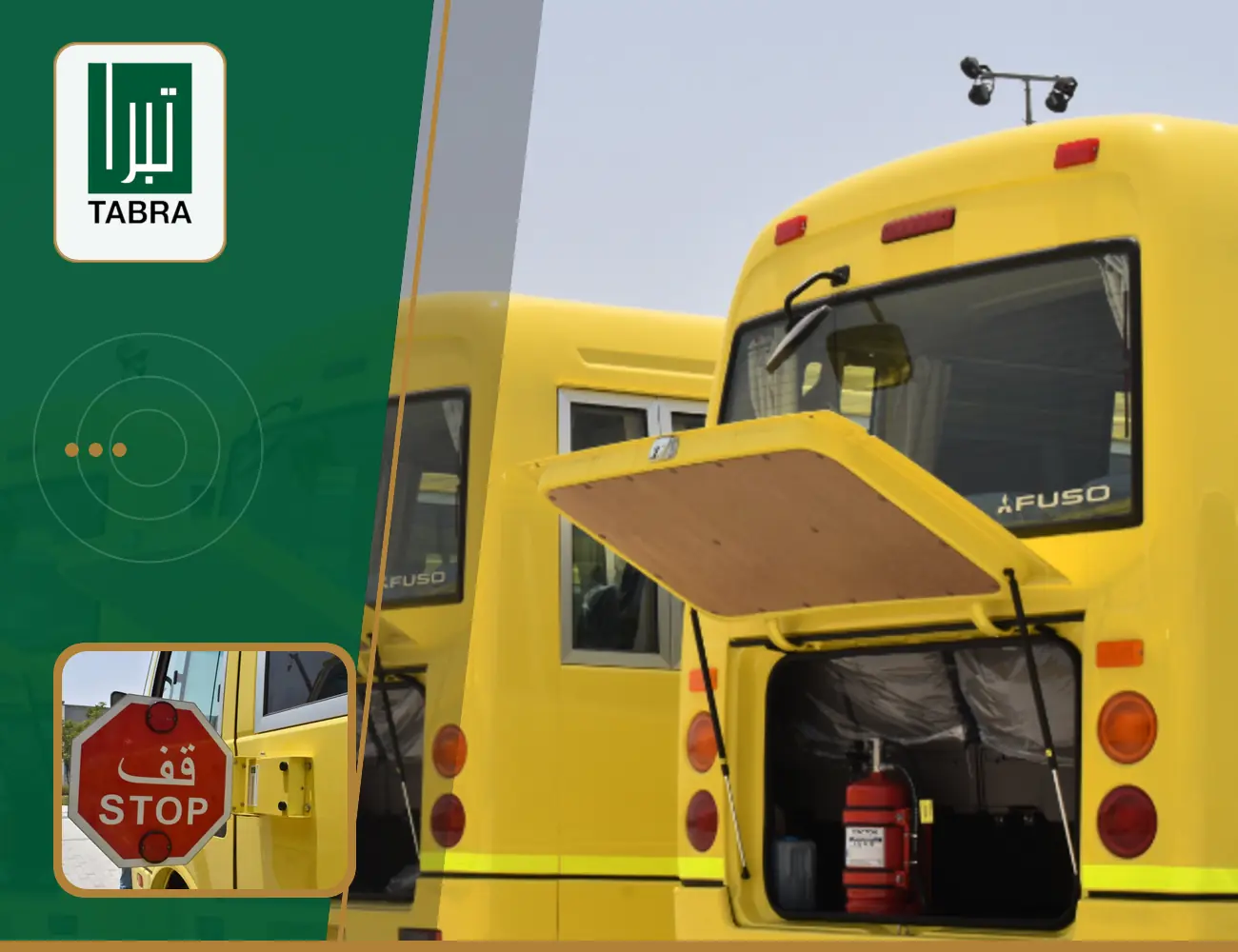
Preparing for a school bus safety inspection UAE operators expect is more than cleaning the vehicle and checking whether its lights switch on. Fleet teams must first confirm which authority, permit process and vehicle category apply, then reconcile the bus’s documents with its installed safety equipment and current physical condition.
A useful pre-inspection process should identify defects early, assign corrective work, verify completion and assemble vehicle-specific evidence. It should never assume that requirements are identical across Dubai, Abu Dhabi, Sharjah or other emirates.
This guide provides a practical framework without promising inspection acceptance or replacing current instructions from the responsible authority.
Key Takeaways
Before arranging a school bus safety inspection UAE fleet managers should:
- Identify the responsible registration and school-transport authority.
- Confirm the inspection purpose and current submission requirements.
- Prepare one evidence pack for each bus.
- Match the registration card and VIN to the vehicle.
- Compare installed modifications with available records.
- Check exterior markings, warning equipment and physical condition.
- Inspect the passenger compartment and emergency access.
- Verify safety technologies according to their manufacturer instructions.
- Record defects and corrective work.
- Perform a final quality-control review before presenting the vehicle.
- Avoid assuming that a product certificate guarantees vehicle acceptance.
Start by Identifying the Correct Inspection Pathway
The first step in preparing for a school bus safety inspection UAE process is establishing who regulates the vehicle and transport activity.
School transport is managed through emirate-level frameworks and services. In Dubai, operators should consult the Roads and Transport Authority’s public-transport legislation and current service channels. The RTA library includes legislation concerning school transportation and passenger transport by bus.
In Abu Dhabi, the responsible transport body is Abu Dhabi Mobility, which incorporates the Integrated Transport Centre. Its commercial transport portal provides school-transport regulations and permit services. Abu Dhabi Mobility also confirms that regular inspection activity forms part of its school-transport readiness programme.
Sharjah Roads and Transport Authority conducts monitoring and inspection activity covering school-transport operators. Requirements should be checked through current SRTA channels.
Do not begin with an online checklist. Begin by confirming:
- Registration emirate.
- Vehicle classification.
- Licensed transport activity.
- Operating authority.
- Permit type.
- Inspection purpose.
- Current appointment or submission process.
- Documents and evidence requested for that process.
- Whether previous observations remain open.
A checklist created for a Dubai inspection should not automatically be used as proof of readiness in Abu Dhabi or Sharjah.
Use Four Gates to Determine Inspection Readiness
A dependable school bus safety inspection UAE workflow can be organized around four gates.
Gate 1: Identity
Confirm that the vehicle presented for inspection is the vehicle described in the documents.
Check:
- Registration number.
- VIN or chassis number.
- Make and model.
- Model year.
- Registered seating capacity.
- Fleet number.
- Operator information.
- Vehicle category and permitted activity.
Any discrepancy should be resolved before technical preparation continues.
Gate 2: Documentation
Confirm that the required records are current, legible and attributable to the specific bus.
This may include vehicle, operator, permit and installed-equipment records. The exact documents depend on the authority and inspection purpose.
Gate 3: Physical and functional condition
Check that the vehicle, safety modifications and installed systems are present, secure, accessible and functioning according to their applicable instructions.
Gate 4: Evidence and closure
Record defects, complete the appropriate corrective work, verify closure and assemble evidence for inspection day.
A bus should not move to the next gate merely because an item “looks acceptable.” The fleet needs enough evidence to confirm what was checked, by whom and with what outcome.
School Bus Safety Inspection UAE Document Checklist
Document preparation often causes avoidable delays. Before a school bus safety inspection UAE appointment, create a separate controlled file for each vehicle.
Vehicle identity documents
Prepare the current documents requested through the applicable inspection or permit process. Reconcile every record against:
- Registration number.
- VIN or chassis number.
- Vehicle make.
- Vehicle model.
- Model year.
- Registered seating capacity.
- Operator or owner details.
The vehicle itself, appointment record and supporting certificates should refer to the same asset.
Transport-activity and permit records
Depending on the emirate and inspection purpose, the operator may need evidence related to:
- Licensed school-transport activity.
- Vehicle operating permit.
- School or transport contract.
- Driver permit.
- Bus-attendant or supervisor permit.
- Insurance.
- Previous inspection record.
- Corrective-action closure.
This is not a universal list. Confirm the current requirement through the responsible authority.
Modification and safety-system records
Where the bus has been modified, gather available records for relevant systems, such as:
- Modification work order.
- Installation record.
- Product identification.
- Speed-limiter documentation.
- Fire-suppression documentation.
- CCTV or recording-system details.
- GPS or tracking information.
- Child-check system record.
- Door or motion-sensor documentation.
- Maintenance and service history.
An invoice alone may prove that something was purchased, but it may not establish which product was installed on which vehicle or whether the installation matches the inspection requirement.
Build a discrepancy sheet
Use a simple discrepancy log:
| Item | Document says | Vehicle shows | Required action | Owner | Status |
|---|---|---|---|---|---|
| Vehicle VIN | Recorded value | Physical value | Confirm match | Compliance | Open/closed |
| Seating capacity | Registered value | Installed seats | Resolve discrepancy | Fleet manager | Open/closed |
| Speed limiter | Device/model | Installed label | Verify documentation | Technical provider | Open/closed |
| CCTV | Required configuration | Installed cameras | Functional review | System provider | Open/closed |
| Fire suppression | System record | Installed system | Verify condition and scope | Technical provider | Open/closed |
This catches identity and traceability problems before the bus reaches the inspection lane.
Inspect the Exterior in a Fixed Sequence
A repeatable walk-around reduces omissions during school bus safety inspection UAE preparation.
Start at the front and move around the bus in one direction.
Front section
Check the visible condition and secure mounting of:
- Windscreen.
- Wipers and washers.
- Mirrors.
- Headlamps.
- Direction indicators.
- School-bus warning lights.
- Registration plate.
- Exterior cameras or sensors.
- Required markings and identification.
Confirm that visibility is not affected by damaged glass, unauthorized stickers or incorrectly positioned equipment.
Near side and passenger entry
Inspect:
- Passenger door operation.
- Door edges and seals.
- Steps.
- Handrails.
- Step lighting.
- Non-slip surfaces.
- Exterior emergency markings.
- Stop arm and associated warning devices, where applicable.
- Side mirrors and cameras.
- Body panels.
- Wheels and tyres.
The stop arm should not be treated as a decorative fitting. Its mounting, movement, visibility and integration with warning devices should be checked according to the applicable system and authority requirements.
Rear section
Check:
- Brake and rear lamps.
- Direction indicators.
- Reversing lamps.
- Registration plate.
- Rear markings.
- Emergency-exit identification.
- Rear cameras and sensors.
- Visible body damage.
- Exhaust condition visible during the walk-around.
Driver’s side
Review the remaining:
- Mirrors.
- Cameras.
- Body panels.
- doors or hatches.
- Wheels and tyres.
- Reflective markings.
- warning devices.
- visible equipment mountings.
Record dents or damage that interfere with a door, emergency exit, light, sensor, marking or line of sight. Cosmetic damage and safety-affecting damage should not be recorded as though they have the same priority.
Check the Passenger Compartment as a Safety Zone
The passenger-area review for a school bus safety inspection UAE process should follow the path students and the attendant use.
Seats and restraint systems
Check:
- Seat security.
- Seat structure and upholstery condition.
- Sharp edges or exposed components.
- Seat-belt presence where required.
- Belt webbing condition.
- Buckles and anchor points.
- Accessibility of restraints.
- Seating layout against vehicle records.
Do not install, relocate or replace seats simply to match an assumed requirement. Seating changes can affect registered capacity, aisle clearance, emergency access and documentation.
Floor, aisle and access
The aisle should be:
- Clear.
- Clean.
- Free of unsecured objects.
- Free from trip hazards.
- Covered with suitable, secure flooring.
- Wide enough to provide the required access for the vehicle’s approved configuration.
Check steps, handrails and entrance lighting. Equipment, bags or cleaning materials must not obstruct student movement or emergency egress.
Windows and interior panels
Inspect:
- Glass condition.
- Window operation where applicable.
- Guards or opening restrictions where required.
- Interior panels.
- Exposed fasteners.
- Loose trim.
- Roof and ceiling fittings.
- Interior lights.
- Air-conditioning outlets.
Any fitting that can become loose during operation should be corrected through an appropriate repair rather than temporarily taped or wedged into place.
Driver area
Confirm:
- Clear visibility.
- Secure mirrors.
- Dashboard warning status.
- Accessible controls.
- No loose items that could interfere with pedals or steering.
- Communication equipment condition.
- Separation between the driver and distracting objects.
- Visibility of passenger boarding and exit areas.
A dashboard warning should be diagnosed, not hidden or cleared solely for inspection.
Verify Emergency Access and Equipment
Emergency equipment is a high-priority part of school bus safety inspection UAE preparation.
Emergency exits
Check each applicable exit for:
- Clear access.
- Visible identification.
- Secure condition.
- Correct operation.
- Alarm or indicator function where fitted.
- No obstruction from seats, bags or installed equipment.
- No unauthorized locking or fastening.
The check should follow the vehicle and exit manufacturer instructions. It should not damage seals or interfere with safety mechanisms.
First-aid equipment
Confirm that the required kit:
- Is present.
- Is accessible.
- Is securely stored.
- Is clearly identified.
- Has not been depleted.
- Has contents suitable for the applicable requirement.
- Has no expired time-sensitive contents where expiry dates apply.
Portable fire extinguishers
Check:
- Presence and required quantity for the applicable bus.
- Secure mounting.
- Accessibility.
- Identification.
- Visible condition.
- Pressure/status indication where applicable.
- Service information required by the responsible process.
- No obstruction or unauthorized relocation.
Portable extinguishers and automatic engine-compartment suppression systems perform different roles.
Emergency tools and warning equipment
Depending on the vehicle and applicable requirements, verify items such as:
- Emergency hammers.
- Warning triangle.
- Emergency communication equipment.
- Reflective equipment.
- Emergency instructions.
- Driver and attendant access to necessary controls.
Do not add equipment from a generic foreign checklist without verifying local applicability.
Test School-Bus Safety Technologies System by System
Modern school buses may carry several integrated technologies. During school bus safety inspection UAE preparation, each system should be identified, checked and linked to its records.
Stop arm and warning lights
Verify that:
- The arm is secure.
- Movement is complete and unobstructed.
- Required lights operate.
- Activation follows the intended sequence.
- Wiring and external components show no visible damage.
- The driver receives any specified status indication.
CCTV
Review:
- Camera presence and physical condition.
- Field of view.
- Secure mounting.
- Recorder status.
- Correct date and time.
- Storage or recording indication.
- Image availability under the authorized process.
- Protection of wiring and equipment.
A powered camera does not necessarily prove that usable footage is being stored.
GPS and vehicle tracking
Confirm:
- Device identity.
- Power and communication status.
- Vehicle assignment.
- Platform visibility.
- Correct registration or fleet mapping.
- Antenna and wiring condition.
- Availability of the records required by the operator or authority.
Child-check system
Check the complete sequence rather than only the rear button or sensor:
- Trigger condition.
- Driver notification.
- Required walk-through.
- Rear acknowledgement device.
- Alarm or escalation function.
- Reset procedure.
- System status after completion.
The fleet should ensure that the system supports, rather than replaces, the physical post-route check.
Door and motion interlocks
Where installed, verify operation under the approved procedure. Door, movement or brake interlocks should not be bypassed to prevent nuisance warnings.
Speed limiter
The speed limiter should be handled through its own installation, calibration, testing and documentation process. Refer to Tabra’s speed-limiter requirements guide rather than relying on an unverified universal setting.
Fire-suppression system
For buses within an applicable technical-regulation scope, verify the exact system and documentation. UAE Cabinet Resolution No. 20 of 2021 establishes technical regulations concerning fire-suppression systems intended for bus and coach engine compartments and references UAE.S 5041:2021.
This does not mean every product, installer or installation is automatically approved. For the detailed fire-protection topic, use Tabra’s school-bus fire-suppression guide.
Coordinate Mechanical Readiness Before the Final Check
A technology checklist cannot replace vehicle roadworthiness preparation. The workshop supporting a school bus safety inspection UAE submission should review the bus according to the applicable vehicle inspection scope and manufacturer requirements.
Relevant areas can include:
- Brakes.
- Steering.
- Suspension.
- Tyres and wheels.
- Lights and electrical systems.
- Windscreen and wipers.
- Doors.
- Fluid leaks.
- Engine condition.
- Exhaust system.
- warning indicators.
- air-conditioning and ventilation.
- body and chassis condition.
The compliance team should not attempt to certify mechanical condition by visual inspection alone. Qualified workshop personnel and the relevant inspection route should handle technical measurements, diagnosis and repairs.
After mechanical work, repeat checks on affected safety equipment. For example:
- Battery work may affect cameras, tracking or child-check systems.
- Dashboard work may affect warning indicators.
- Engine repairs may disturb fire-suppression components.
- Door repair may affect interlocks.
- Body repair may affect markings, cameras, lights or stop-arm wiring.
The final review must assess the bus after repairs—not rely on a checklist completed before work began.
Use a Defect Priority Matrix
A structured matrix helps fleet teams decide what happens next.
| Priority | Example | Required management action |
|---|---|---|
| P1: Stop and escalate | Inoperative emergency exit, serious mechanical concern, disabled required safety system, major identity discrepancy | Follow the fleet’s safety procedure; do not present the bus as ready |
| P2: Technical correction required | Camera not recording, stop arm fault, damaged seat belt, abnormal warning indicator, missing system record | Assign the relevant technician or provider and verify closure |
| P3: Administrative correction | Unreadable copy, missing reference number, inconsistent fleet record | Correct before document submission |
| P4: Presentation/readiness issue | Dirty marking, poorly organized evidence file, minor non-safety housekeeping issue | Close before final quality check |
| Verification required | Requirement or installed-system scope unclear | Confirm with the responsible authority or technical source |
The matrix does not independently determine legal roadworthiness. Its purpose is to prevent unresolved findings from being hidden inside a long checklist.
Conduct a Dry-Run Inspection
A dry run allows the fleet to experience the school bus safety inspection UAE process before the appointment.
Use someone who did not complete the original checklist. The reviewer should:
- Identify the bus from the documents.
- Match the VIN and registration.
- Review the permit and evidence pack.
- Walk around the vehicle.
- Enter the passenger compartment.
- verify exits and emergency equipment.
- Observe approved functional demonstrations.
- Review dashboard and system status.
- Check that defects have documented closure.
- Confirm who will present the bus.
Record the dry-run result as:
- Ready.
- Ready after minor closure.
- Technical reassessment required.
- Documentation verification required.
- Not ready.
Do not mark a bus “ready” when the team is waiting for evidence that may affect acceptance.
Avoid Applying One Emirate’s Checklist Across the UAE
A responsible school bus safety inspection UAE guide must recognize local authority differences.
Dubai
Use current RTA legislation, standards, service pages and appointment instructions. Older regulations may remain relevant or may have been amended, so operators should confirm the current consolidated requirement.
Abu Dhabi
Abu Dhabi Mobility is the current authority name. Its Integrated Transport Centre services include school-transport regulations and permit pathways. The authority has publicly confirmed regular inspection and operator-readiness activities.
Sharjah
SRTA undertakes monitoring and inspection of school-transport operations. Operators should obtain current requirements from SRTA rather than assuming that Dubai documentation applies.
Other emirates
Contact the responsible transport, licensing and education bodies for the operating area. The registration emirate alone may not answer every question if the bus operates under a particular school-transport activity or contract.
When uncertainty remains, record the question and obtain written or traceable clarification where available.
Create One Evidence Pack per Bus
For multi-vehicle school bus safety inspection UAE preparation, a fleet-level folder without vehicle separation is risky.
Each pack should contain:
- Fleet number.
- Registration and VIN.
- Vehicle identity documents.
- Applicable permit documents.
- Inspection appointment details.
- Modification records.
- Safety-system identification.
- Relevant service and test records.
- Previous observations.
- Corrective-action evidence.
- Current photographs where useful.
- Final readiness sign-off.
- Contact details for the presenting representative.
Use a fleet dashboard to monitor:
| Bus | Identity | Documents | Physical check | Systems check | Defects closed | Ready |
|---|---|---|---|---|---|---|
| Bus 01 | Complete | Complete | Passed | Passed | Yes | Yes |
| Bus 02 | Complete | Missing record | Passed | Pending | No | No |
| Bus 03 | Discrepancy | Pending | Not started | Not started | No | No |
This prevents a fleet-wide percentage from hiding one bus with a serious unresolved issue.
Inspection-Day Handover
The person presenting the bus should know:
- Which authority process is being completed.
- What documents are available.
- Which safety systems are installed.
- How approved demonstrations should be performed.
- Which previous defects were corrected.
- Who to contact if a technical question arises.
- How inspection observations will be recorded.
Avoid last-minute component adjustment at the inspection location. If the bus develops a warning or fault, document it and follow the appropriate process.
After inspection, retain:
- The outcome.
- Observation list.
- Required corrective actions.
- Evidence submitted.
- Dates and reference numbers.
- Responsible person.
- Follow-up appointment or closure status.
How Tabra Can Support School-Bus Readiness
Tabra General Trading LLC has operated in the UAE since 1997 and provides vehicle-safety solutions from Dubai and Abu Dhabi. Its portfolio includes school-bus modification services and safety solutions such as speed limiters, automatic fire-suppression systems and fleet technologies.
Operators preparing for a school bus safety inspection UAE process can provide Tabra with:
- Registration card.
- VIN.
- Make and model.
- Model year.
- Seating capacity.
- Registration emirate.
- Licensed activity.
- Inspection or permit purpose.
- Existing modification records.
- Previous inspection observations.
- Photographs of the vehicle and installed systems.
- Number of buses requiring assessment.
Tabra can then review the request and discuss the relevant modification or technical scope. This should occur before promising compatibility, document issuance or inspection acceptance.
For a multi-bus fleet, group vehicles by model, year, existing configuration and inspection deadline. This makes technical review more controlled than treating every bus as identical.
Frequently Asked Questions About School Bus Safety Inspection UAE
Is a daily driver check the same as an authority inspection?
No. A daily check helps the driver identify visible or operational problems before a route. An authority or formal inspection follows its own scope, evidence and acceptance process. One does not replace the other.
Does one UAE checklist apply to every emirate?
No. School-transport rules, permits and inspection procedures can vary between Dubai, Abu Dhabi, Sharjah and other emirates. Operators should verify the current requirements with the responsible authority.
Which documents should be prepared before inspection?
Start with vehicle identity, registration, applicable permits, modification records, safety-system documents and previous inspection observations. The final list must be confirmed through the relevant authority and service.
Can a product certificate guarantee that the bus will pass?
No. Product conformity or manufacturer certification concerns a defined product and scope. Vehicle condition, installation, documentation and the responsible authority’s inspection decision remain separate matters.
Should safety systems be tested before the appointment?
Their status and operation should be checked using the applicable manufacturer and authority procedures. Avoid unauthorized tests, bypasses or adjustments that could damage a system or invalidate its configuration.
What should happen if the VIN does not match a supporting record?
Stop using that record as evidence for the bus. Investigate whether it belongs to another vehicle, contains an administrative error or requires reissue through the relevant provider or authority.
Should the bus be rechecked after corrective work?
Yes. Reinspect the affected area and any connected system. A repair can disturb wiring, sensors, markings, interlocks, fire-suppression components or other equipment.
What information should be sent to a school-bus modification provider?
Send the registration card, VIN, make, model, year, seating capacity, operating emirate, required inspection, existing equipment, previous observations and clear photographs. This supports a more accurate technical review.