

DBW vs DBV Speed Limiter: Differences and Vehicle Compatibility
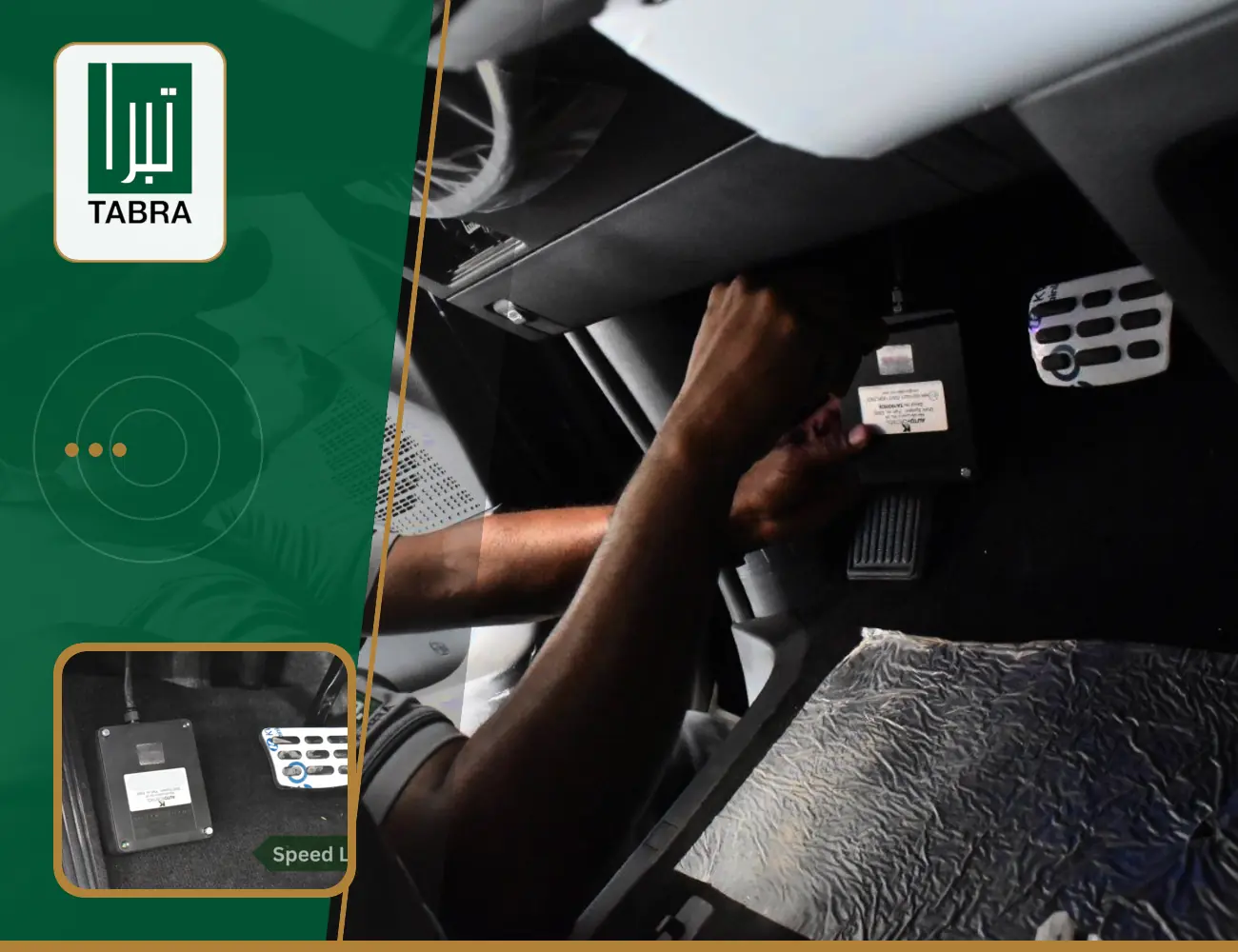
Choosing between a DBW vs DBV speed limiter depends primarily on how the vehicle’s accelerator and engine-power controls operate. A DBW system is generally associated with an electronic accelerator pedal, while a DBV system is typically used where speed must be controlled through a suitable valve, fuel-control interface or mechanical accelerator architecture.
Vehicle age or fuel type alone cannot determine the correct choice. The installer must inspect the accelerator system, engine-management configuration, available speed signal and the exact limiter model before recommending a solution. This guide explains the differences, compatibility requirements and procurement questions UAE fleet teams should consider.
What Does DBW vs DBV Speed Limiter Mean?
The DBW vs DBV speed limiter comparison describes two different ways of reducing the engine power available once a vehicle approaches its configured maximum speed.
Both systems need a reliable indication of vehicle speed. A controller compares that input with the configured threshold and initiates the appropriate control response when required. The primary difference is how the system interacts with the vehicle to prevent further acceleration.
What Is a DBW Speed Limiter?
DBW stands for Drive-by-Wire. In a drive-by-wire vehicle, the accelerator pedal generates an electronic signal that is interpreted by an engine-control module rather than relying only on a direct mechanical cable.
A compatible drive-by-wire limiter may interact with the electronic accelerator-signal path or another approved electronic interface. When the vehicle approaches the configured maximum, the system manages the relevant signal so the engine does not continue increasing vehicle speed through driver accelerator demand.
This does not mean that every electronic accelerator vehicle accepts the same limiter. Pedal signals, voltage ranges, wiring arrangements, communication methods, redundancy checks and fault-detection strategies can vary between manufacturers, models, engines and model years.
What Is a DBV Speed Limiter?
DBV stands for Drive-by-Valve. It generally refers to a limiter architecture that controls vehicle speed through a suitable valve, fuel-control unit, actuator or related interface.
A drive-by-valve limiter is commonly associated with vehicles that use a mechanical accelerator or a compatible fuel-control system. The limiter’s controller monitors the speed input and operates the relevant control component when the configured threshold is reached.
DBV should not be treated as a synonym for a purely mechanical speed limiter. The full installation may include an electronic control unit, speed sensor, wiring, warning devices and an electrically operated valve or actuator.
DBW vs DBV Speed Limiter: The Main Technical Differences
The most important distinction is not whether one technology is newer. It is whether the control method matches the vehicle architecture.
| Comparison point | DBW system | DBV system |
|---|---|---|
| Accelerator architecture | Compatible electronic accelerator pedal | Usually a mechanical accelerator or suitable fuel-control architecture |
| Main control approach | Manages a compatible electronic signal or control interface | Uses a valve, actuator or fuel-control interface |
| Typical installation focus | Pedal signals, wiring, electronic compatibility and fault monitoring | Valve location, fuel/control path, actuator operation and mechanical compatibility |
| Diagnostic considerations | Signal plausibility, fault codes, pedal response and ECU interaction | Valve response, linkage or fuel-control condition, wiring and actuator operation |
| Vehicle selection | Based on exact electronic accelerator and ECU configuration | Based on accelerator, engine and fuel/control-system architecture |
| Main compatibility risk | Incorrect electronic interface or signal configuration | Incorrect valve, actuator or fuel-control installation |
| Post-installation requirement | Configuration, functional testing and diagnostic verification | Configuration, mechanical/functional testing and inspection for leaks or restrictions where relevant |
This comparison is a selection guide, not confirmation that a particular product can be installed on a specific vehicle. Final compatibility must be established from the vehicle and device documentation.
How Does a DBW System Control Vehicle Speed?
An electronic speed limiter for a compatible DBW vehicle generally follows a sequence:
- The system receives an input representing vehicle speed.
- The controller compares the input with the configured maximum.
- Below the threshold, normal accelerator demand remains available within the system’s intended operation.
- As the threshold is reached, the limiter manages the compatible electronic control path.
- The vehicle is prevented from continuing to accelerate through additional pedal demand.
- When speed falls below the relevant control range, normal operation resumes according to the system design.
The exact method depends on the limiter and vehicle. Fleet buyers should not assume that the device modifies the engine ECU software directly unless the manufacturer specifically documents that process.
A competent DBW vs DBV speed limiter assessment should identify where the signal originates, how the limiter interacts with the vehicle and how fault conditions are managed.
How Does a DBV System Control Vehicle Speed?
A drive-by-valve limiter also relies on a speed input and control unit, but its output acts through a suitable valve, actuator, fuel-control component or another documented interface.
A typical operating sequence may include:
- A sensor or approved connection provides a vehicle-speed signal.
- The controller compares the signal with the configured maximum.
- The system activates the valve or control component near the threshold.
- The available engine output is regulated to prevent further acceleration.
- Normal control returns when vehicle speed falls within the appropriate operating range.
The exact fuel or control path varies between applications. Installation should follow the manufacturer’s documented configuration and should not introduce leaks, unsafe restrictions, poor engine performance or interference with essential vehicle functions.
Which System Fits Your Vehicle?
The correct DBW vs DBV speed limiter choice usually begins with the accelerator architecture, but the decision should not end there.
A DBW System May Be Suitable When:
- The vehicle has an electronic accelerator pedal.
- A documented limiter interface exists for the exact vehicle configuration.
- The accelerator signals and operating range are compatible with the device.
- Installation can be completed without creating warning lights or diagnostic faults.
- The device and configuration meet the applicable product and vehicle requirements.
- The system can be tested and documented through the required process.
A DBV System May Be Suitable When:
- The vehicle has a mechanical accelerator pedal.
- The engine has a compatible fuel or power-control architecture.
- A suitable valve or actuator configuration is documented.
- The required components can be installed securely and safely.
- The installation does not create unacceptable restrictions or vehicle faults.
- The system can be calibrated, tested and documented correctly.
Neither Option Should Be Selected Without Further Review When:
- The vehicle already has a factory speed-limiting function.
- The accelerator or engine-control system has been modified.
- The ECU has non-standard programming.
- Vehicle documentation is incomplete.
- The accelerator type cannot be confirmed.
- The proposed limiter model lacks verified compatibility evidence.
- The product-conformity status cannot be confirmed.
- The installer proposes bypassing a vehicle safety or diagnostic function.
- The vehicle uses an unusual powertrain, specialist equipment or converted controls.
In these situations, request a technical compatibility assessment before purchasing equipment.
Why the Pedal Type Is Not the Only Selection Factor
Many comparison pages reduce the decision to electronic pedal versus mechanical pedal. That is a useful starting point but not a complete procurement method.
A professional DBW vs DBV speed limiter review should also consider:
- Vehicle make and model.
- Model year.
- VIN or chassis number.
- Engine code.
- ECU configuration.
- Accelerator-pedal type.
- Petrol, diesel, hybrid or other powertrain.
- Transmission type.
- Source and format of the speed signal.
- Existing factory speed control.
- Previous limiter installations.
- Vehicle modifications.
- Required configured maximum.
- Applicable inspection and certification process.
- Exact device make and model.
- Product-conformity evidence.
Two vehicles with similar bodies may use different engines, accelerator systems or electronic platforms. Even vehicles sharing a model name can change architecture between production years.
Is DBW Always Better Than DBV?
No. DBW is not automatically better, and DBV is not automatically outdated. The appropriate solution is the one that is technically compatible with the vehicle and supported by the necessary conformity and installation documentation.
A modern electronic vehicle may require a DBW solution because a valve-based installation is inappropriate for its architecture. An older or specialist vehicle may require a DBV or another control method because it does not have a compatible electronic accelerator interface.
The purpose of a DBW vs DBV speed limiter comparison is to identify the appropriate technology, not to rank the two systems without reference to the vehicle.
Can Engine Type Determine the Correct Limiter?
Engine type is relevant, but it is not enough to make the final decision.
A diesel vehicle may have either a mechanical accelerator arrangement or a modern electronic accelerator system. Petrol vehicles can also use different throttle and engine-management architectures. Hybrid and electric vehicles require separate compatibility assessment because their power-delivery systems differ from conventional fuel-control arrangements.
Do not purchase a limiter based only on a description such as “diesel truck” or “petrol van.” The supplier should request exact vehicle information.
Pre-Installation Compatibility Checklist
Before requesting a quotation for a DBW vs DBV speed limiter, prepare the following:
- Copy of the vehicle registration card.
- VIN or chassis number.
- Vehicle make, model and model year.
- Engine and ECU details where available.
- Accelerator-pedal type.
- Transmission type.
- Registered vehicle category.
- Licensed commercial activity.
- Registration emirate.
- Required maximum setting confirmed for the vehicle.
- Information about an existing limiter or factory setting.
- Previous installation or certificate records.
- Details of ECU, accelerator, engine or drivetrain modifications.
- Clear photographs of the pedal assembly or relevant components if requested.
This information allows the technical provider to identify whether a DBW, DBV, factory configuration or another solution should be investigated.
Questions Procurement Teams Should Ask the Installer
A purchase decision should cover the full installed solution rather than the controller price alone.
Ask:
- Which system fits the exact vehicle and why?
- How was the accelerator architecture confirmed?
- Is compatibility documented for this make, model, year and engine?
- What speed-signal source will be used?
- How will the device control engine power?
- Which components will be installed?
- Where will the controller, valve, actuator or interface be mounted?
- How will wiring and components be protected from heat, moisture and vibration?
- Which tamper controls will be applied?
- What functional test will be completed?
- How will normal operation below the configured threshold be checked?
- What happens if the vehicle develops a warning light or diagnostic fault?
- What installation, testing and calibration records will be provided?
- What certificate process applies to the vehicle?
- What maintenance or recalibration triggers should the fleet track?
- What technical support is available after installation?
If the installer cannot explain the control method and compatibility evidence, the buyer does not yet have enough information to approve the system.
What Should Be Tested After Installation?
Regardless of which DBW vs DBV speed limiter system is selected, installation is not complete until the vehicle has been inspected, configured and functionally tested.
Device and Vehicle Identity
Confirm that the installation record contains the correct:
- Plate number.
- VIN or chassis number.
- Vehicle make and model.
- Device manufacturer.
- Device model.
- Device serial number.
- Configured maximum.
- Installation date.
Physical Installation
Check the controller, wiring, connectors, speed-signal source, power supply, earth, protective routing, mounting and tamper-evident measures.
For DBV applications, inspect the relevant valve, actuator, control path or linkage. For DBW installations, inspect the electronic accelerator interface and associated signals.
Functional Response
The system should respond consistently at the verified setting under the applicable controlled procedure. The tester should also confirm that the vehicle operates normally below the threshold.
Diagnostic Condition
A DBW installation should not create unexplained accelerator, throttle, engine or communication faults. Relevant warning lamps and diagnostic codes should be checked.
A DBV system should not introduce abnormal engine behaviour, unsafe restriction, leakage or inconsistent actuator response.
Final Documentation
Any fault, repair or adjustment should be followed by another test. The final record should represent the vehicle and device that actually passed.
Maintenance and Recalibration Triggers
Both systems require attention throughout their service life. Arrange inspection if:
- The vehicle exceeds the configured maximum.
- Limiting occurs too early, too late or inconsistently.
- Relevant wiring or components are damaged.
- A controller, valve, actuator or sensor is replaced.
- The ECU or accelerator system is repaired or programmed.
- The speed-signal source changes.
- Tyre or drivetrain modifications may affect the speed relationship.
- A warning light or relevant diagnostic code appears.
- A security seal is broken.
- Tampering or bypassing is suspected.
- Certificate renewal requires a fresh test.
- Driver reports indicate a change in system behaviour.
The applicable maintenance procedure depends on the installed product. Do not apply a DBW diagnostic process to a DBV installation without considering its different control components.
UAE Compliance Considerations
Selecting a DBW vs DBV speed limiter involves more than deciding which technology can control the vehicle.
Fleet operators should distinguish three layers:
Product Conformity
The exact limiter make and model should have the conformity evidence required for the relevant UAE process. MoIAT provides public product-conformity information, but records should be checked by exact brand, model, certificate holder, scope and validity.
Do not rely only on an advertisement saying that an entire brand is approved.
Vehicle Compatibility and Installation
Product conformity does not prove that the device is suitable for every vehicle. The installation still needs to match the vehicle architecture and the documented product configuration.
Testing and Certification
The vehicle may require installation, testing, calibration or certificate documentation according to its category, commercial activity, registration emirate and responsible authority.
Requirements should be confirmed for the individual vehicle. This article does not assign one speed setting, certificate period or inspection rule to all UAE vehicles.
UN Regulation No. 89 provides an internationally recognised technical framework concerning vehicle speed limitation devices and functions. However, the exact UAE conformity and vehicle-certification route should be verified through current UAE sources and the authority relevant to the vehicle.
Common DBW and DBV Selection Mistakes
Choosing by Vehicle Age
Newer vehicles commonly use electronic accelerator systems, but age alone is not technical proof. Inspect the vehicle and confirm the architecture.
Choosing by Fuel Type
Diesel does not automatically mean DBV, and petrol does not automatically mean DBW. Modern diesel and petrol vehicles may both use electronic pedals.
Treating DBV as Purely Mechanical
A DBV installation may contain an ECU, sensors, wiring and an electrically controlled valve. Calling it entirely mechanical can create incorrect maintenance expectations.
Assuming One Device Fits a Mixed Fleet
Vehicles in the same fleet may require different limiter technologies. Standardise the assessment and documentation process, not an unverified device model.
Ignoring the Factory Limiter
Some vehicles may already have a configurable factory speed-limiting function. Confirm whether it is accepted, configurable, testable and documentable for the applicable process before adding another system.
Buying Before Checking Conformity
Do not purchase equipment and investigate conformity later. Verify the exact product and proposed configuration first.
Focusing Only on Installation Price
Compare the complete cost of compatibility assessment, equipment, installation, testing, calibration, certification support, maintenance and vehicle downtime.
Accepting a Certificate with Incorrect Details
The plate number, VIN, limiter model and serial number should match the vehicle and installed device.
DBW vs DBV Speed Limiter for Mixed Fleets
A mixed fleet may include older mechanical vehicles, modern electronic commercial vehicles and factory-limited models. Applying one solution to every vehicle can create avoidable installation and compliance problems.
Build a vehicle compatibility register containing:
- Plate number and VIN.
- Make, model and year.
- Accelerator architecture.
- Engine and ECU type.
- Existing limiter.
- Proposed limiter technology.
- Exact device model.
- Required setting.
- Installation status.
- Latest test date.
- Certificate details.
- Maintenance notes.
- Next action.
This helps procurement teams group technically similar vehicles without assuming that every unit has the same requirements.
How Tabra Can Help
Tabra General Trading LLC has specialised in vehicle safety solutions in the UAE since 1997, with operations in Dubai and Abu Dhabi.
Tabra can review the vehicle information, inspect its control architecture and help determine which DBW vs DBV speed limiter route should be considered. Support may include compatibility assessment, system selection, installation, calibration, functional testing and certificate-related services, subject to the requirements applicable to the vehicle and exact product.
Before requesting a quotation, send the registration card, VIN, make, model, year, vehicle use, accelerator details and information about previous modifications. The primary next step should be to check vehicle compatibility rather than selecting a limiter from a generic product description.
Frequently Asked Questions About DBW vs DBV Speed Limiter
What is the main difference between DBW and DBV?
DBW is generally used with a compatible electronic accelerator interface. DBV generally controls speed through a suitable valve, actuator, fuel-control path or mechanical accelerator architecture.
How can I tell if my vehicle is drive-by-wire?
A drive-by-wire pedal uses electronic sensors and wiring to transmit accelerator demand. A technician should confirm the system using the vehicle information and physical inspection rather than appearance alone.
Is DBV a mechanical speed limiter?
Not entirely in many applications. The vehicle may have a mechanical accelerator, but the complete DBV system can include an electronic controller, speed sensor, wiring and an electrically operated valve or actuator.
Can a diesel vehicle use a DBW limiter?
Potentially, yes. Many diesel vehicles have electronic accelerator systems. Compatibility depends on the exact vehicle and limiter configuration, not fuel type alone.
Is a DBW limiter suitable for every modern vehicle?
No. Electronic accelerator signals, control strategies and diagnostic requirements vary. Compatibility must be verified for the exact make, model, year, engine and ECU.
Can one limiter model be installed across an entire fleet?
Only when compatibility and conformity are confirmed for every relevant vehicle configuration. Mixed fleets may require more than one control architecture.
Does installation automatically provide certification?
No. Product conformity, installation, calibration, functional testing and vehicle-specific certification are connected but separate matters.
What information does Tabra need to check compatibility?
Provide the registration card, VIN, make, model, year, commercial activity, accelerator type, existing limiter details and information about modifications or previous installations.
The correct DBW vs DBV speed limiter choice depends on how the vehicle receives accelerator demand and how engine power can be controlled safely and compatibly.
DBW is generally appropriate for supported electronic accelerator systems, while DBV is generally associated with a suitable valve, fuel-control or mechanical accelerator architecture. Neither option should be selected solely by vehicle age, engine fuel or a generic model description.
A vehicle-specific assessment should confirm the accelerator system, speed-signal source, control interface, product conformity, installation method, testing process and required documentation.
To choose the correct DBW vs DBV speed limiter for a commercial vehicle or mixed fleet, speak with a Tabra vehicle safety specialist and provide the complete vehicle information before requesting installation.