

When Should a Speed Limiter Be Recalibrated? Warning Signs and Testing Triggers
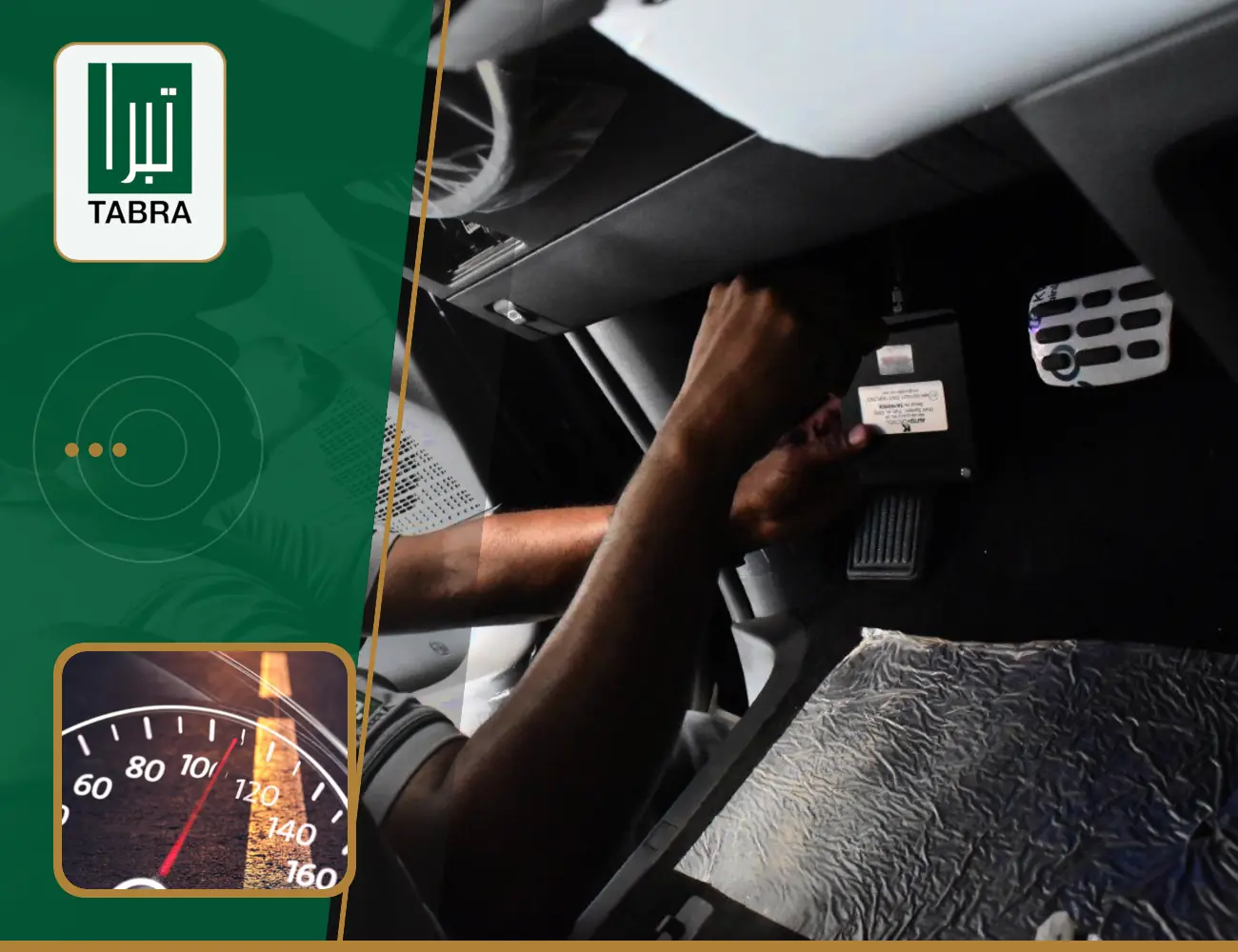
A vehicle may require speed limiter recalibration UAE support after a new installation, relevant mechanical or electronic repairs, changes affecting the vehicle’s speed signal, or signs that the limiter is no longer responding correctly. Recalibration may also be necessary when the existing setting cannot be verified or when the applicable inspection or certification process requires a new test.
Not every workshop visit requires recalibration. The correct decision depends on what changed, how the limiter receives the vehicle-speed signal, how it controls engine power or acceleration, and what evidence is required for the specific vehicle category and operating activity.
What Is Speed Limiter Recalibration?
Speed limiter recalibration UAE services establish whether the installed device is receiving the correct speed information and responding at the verified maximum setting applicable to the vehicle.
The process may begin with inspection and functional testing. If the result shows that the recorded value or limiter response is incorrect, an authorised technician may need to adjust the configuration, repair a fault or restore the approved installation before repeating the test.
A professional service should document both the condition in which the system was received and the final result. Simply changing a programmed number without diagnosing the reason for the error is not a complete recalibration process.
Testing, Recalibration and Certification Are Different
Fleet managers and workshops should not use installation, testing, recalibration, repair and certification as interchangeable terms.
Installation
Installation is the physical and electronic integration of the limiter with the vehicle. It may include mounting the controller, connecting power and earth, obtaining a vehicle-speed signal, integrating with an accelerator or fuel-control interface and applying the required tamper controls.
Functional Testing
Testing establishes whether the installed system responds as intended. It may verify the device identity, configured value, input signal, limiting response, normal operation below the threshold and the absence of relevant faults.
Recalibration
Speed limiter recalibration UAE work checks the relationship between the reference speed, the signal received by the limiter, its configured setting and the vehicle’s actual control response.
If the values are outside the required specification, the technician must determine whether adjustment alone is appropriate or whether an underlying vehicle or installation fault must be repaired first.
Repair
Repair addresses a physical, electrical, electronic or mechanical fault. Replacing damaged wiring, restoring a speed-signal connection or correcting an incompatible interface is repair work, even if recalibration is subsequently required.
Certification
Certification provides vehicle-specific documentary evidence associated with the applicable installation, testing or calibration process. A certificate does not replace the device, and a compliant product certificate does not prove that a specific vehicle installation is correct.
Renewal
Renewal revalidates an expiring certificate through the applicable process. It may include inspection and testing, but it should not be assumed that every renewal automatically requires an adjustment.
When Is Speed Limiter Recalibration UAE Required?
A limiter should be evaluated according to both time-based requirements and event-based triggers. Waiting for the next registration or certificate date may be too late if the vehicle has undergone work that could affect its operation.
After a New Installation
Every new installation should be configured and tested before the vehicle returns to normal service. The technician needs to confirm the device identity, compatibility, connections, required setting and functional response.
Initial testing creates a baseline for future maintenance. Without that record, it becomes difficult to identify whether later behaviour represents a new fault or an original installation problem.
When the Vehicle Exceeds the Recorded Maximum
Arrange speed limiter recalibration UAE inspection immediately if the vehicle can exceed the recorded maximum without the expected response.
The cause may be an incorrect setting, faulty speed input, damaged connection, incompatible configuration, component failure or unauthorised bypass. The workshop should identify the cause instead of adjusting the setting without evidence.
When Limiting Happens Too Early or Too Late
A limiter that intervenes at an unexplained speed may have an incorrect signal or configuration. Early intervention can disrupt normal operation, while late intervention may mean the vehicle does not remain within its intended maximum.
Inconsistent behaviour is especially important. A system that works during one journey but not another may have an intermittent wiring, voltage, sensor or communication problem.
After ECU Programming or Software Updates
An engine control unit update, replacement or programming change may affect the signals or control behaviour used by an aftermarket limiter.
The vehicle should be tested after relevant ECU work, even when the limiter itself was not physically disconnected. Recalibration may be required if the update changed the recognised signal, accelerator response or stored configuration.
After Accelerator or Throttle Repairs
Drive-by-wire vehicles use electronic accelerator signals rather than a direct mechanical cable between the pedal and engine.
If the limiter interacts with the accelerator-control system, repairs involving the pedal, throttle body, wiring, sensors or related control modules can justify a fresh test. Speed limiter recalibration UAE technicians should confirm normal accelerator operation as well as limiter response.
After Speed-Sensor Replacement
A limiter may depend on a vehicle-speed signal obtained from a sensor, control module or another approved source.
Replacing or repairing the relevant sensor can change signal behaviour or expose an existing configuration problem. The system should be tested after the repair rather than relying on the previous result.
After Tyre or Drivetrain Changes
Not every tyre replacement requires recalibration. However, changing the approved tyre specification or rolling circumference can alter the relationship between wheel rotation and road speed on some vehicles.
Changes to the differential, final-drive ratio, gearbox or other drivetrain components may also affect the speed information used by the system. A specialist should assess whether the specific modification requires speed limiter recalibration UAE support.
After Limiter Component Replacement
Replacing the controller, actuator, interface, speed-signal component or associated module normally requires identification, configuration and testing.
A replacement part should not be assumed to retain the previous vehicle’s settings. The final record must identify the device and vehicle that actually passed the test.
After Wiring, Battery or Electrical Work
Electrical repairs can disturb limiter wiring even when the technician is working on another vehicle system. Loose earth connections, low voltage, exposed joints and damaged harnesses may cause intermittent operation.
Battery disconnection alone does not mean every system requires adjustment. However, the limiter should be checked if settings were lost, warnings appeared or its behaviour changed after the electrical work.
After Heat, Water or Collision Damage
Heat, moisture, corrosion, vibration and accident damage can affect the controller, connections, sensors, actuator or wiring.
Visible damage should be investigated before testing. A workshop should not recalibrate around a physical fault that first requires repair.
After Suspected Tampering
Broken seals, hidden switches, altered wiring, unauthorised programming or bypass attempts mean the previous inspection result can no longer be relied upon.
The authorised installation should be restored, documented and retested. If the original setting cannot be verified, speed limiter recalibration UAE work may be necessary before certification.
When the Vehicle’s Activity or Classification Changes
A vehicle transferred to another commercial activity may become subject to a different operating or inspection process.
Before changing the limiter setting, confirm the vehicle’s registered category, licensed activity, registration emirate and relevant authority. Never copy the setting or documentation from a visually similar vehicle.
Warning Signs That Should Not Wait for Certificate Renewal
Fleet maintenance teams should arrange an inspection if drivers or technicians report any of the following:
- The vehicle exceeds the recorded limiter setting.
- Limiting starts earlier or later than expected.
- Intervention is inconsistent between journeys.
- The engine hesitates, surges or loses power abnormally near the threshold.
- A check-engine, accelerator or electronic-control warning appears.
- Diagnostic codes relate to vehicle speed, throttle position, communication or power supply.
- Limiter wiring is loose, exposed, corroded, overheated or recently modified.
- A seal, label or device identifier is missing or damaged.
- The certificate lists the wrong plate number, VIN, device or serial number.
- The behaviour changed after repair, programming or component replacement.
These symptoms do not automatically prove that the configured value is incorrect. They indicate that diagnosis and testing are required before deciding whether repair, adjustment or speed limiter recalibration UAE service is appropriate.
What Should a Professional Speed Limiter Test Include?
A useful inspection does more than confirm that a controller is physically present. It should identify the vehicle and device, evaluate the installation, check relevant vehicle systems and record the final result.
Vehicle and Device Identification
The job card should include:
- Plate number.
- VIN or chassis number.
- Vehicle make, model and model year.
- Registration classification.
- Commercial activity where relevant.
- Limiter manufacturer.
- Exact limiter model.
- Device serial number.
- Previous certificate or installation reference.
- Existing configured maximum.
The information must match the actual vehicle and device. A certificate containing an incorrect VIN, serial number or limiter model can create compliance delays even when the system functions correctly.
Physical Inspection
The technician should inspect:
- Controller mounting.
- Power and earth connections.
- Wiring and harness routing.
- Speed-signal connection.
- Accelerator, throttle or fuel-control interface.
- Mechanical linkage or actuator where applicable.
- Connectors and protective coverings.
- Labels, seals and tamper-evident measures.
- Evidence of corrosion, heat damage or water ingress.
- Signs of bypassing or unauthorised modification.
Vehicle Diagnostic Condition
Relevant vehicle faults should be checked before blaming the limiter.
A defective speed sensor, accelerator fault, unstable power supply, communication problem or incompatible ECU modification may affect limiter behaviour even when the limiter controller is operating normally.
Configuration Verification
The technician must confirm the required maximum setting for the particular vehicle and process. A value used on another truck, bus or commercial vehicle is not sufficient evidence.
The configured value should then be compared with the input and observed response using the manufacturer’s procedure and appropriate test method.
Functional Response
The test should establish whether the limiter responds consistently as the verified threshold is approached.
It should also confirm that the vehicle remains normally driveable below that threshold. A vehicle should not develop inappropriate hesitation, warning lamps or diagnostic faults as a result of the installation.
Post-Repair Retesting
If a fault is repaired or a setting is adjusted, the functional test must be repeated.
The final document should record:
- The original complaint.
- The as-found condition.
- Faults identified.
- Repairs completed.
- Components replaced.
- Adjustments performed.
- Final configured value.
- Test result.
- Test date.
- Technician or centre details.
This evidence helps future technicians understand why speed limiter recalibration UAE work was performed and what changed.
DBW and Non-DBW Systems Require Different Checks
Vehicle compatibility affects both installation and diagnosis.
Drive-by-Wire Systems
DBW vehicles rely on electronic accelerator signals. A compatible limiter may manage a relevant signal or communicate with part of the vehicle’s electronic-control architecture.
Testing may need to examine signal plausibility, wiring integrity, power supply, communication status, diagnostic codes and normal accelerator response. The correct interface and configuration depend on the vehicle and limiter model.
Mechanical or Fuel-Control Systems
Other vehicles may use a mechanical actuator, cable, fuel-control interface or another system-specific method.
Inspection may focus on actuator travel, cable routing, linkage condition, mounting security and fuel-control response. Mechanical wear or an incorrect adjustment can affect limiter performance.
A product described as universal should not be assumed to use the same installation method or calibration file on every vehicle.
What About Downhill Overspeed?
A downhill overspeed report requires proper diagnosis, but it does not automatically prove that the limiter has failed.
A speed limiter generally controls engine power or another defined vehicle input. It should not be assumed to replace service brakes, a retarder, safe gear selection or the driver’s responsibility to maintain control.
The technician should compare the complaint with the manufacturer’s operating description, vehicle condition and test results. The configured value should not be changed merely to compensate for a braking or driving issue.
UAE Compliance: Product, Vehicle and Certificate Are Separate
Fleet operators should check three distinct compliance layers.
Product Conformity
The exact limiter make and model may require current product-conformity evidence. The UAE Ministry of Industry and Advanced Technology provides product-conformity information and access to applicable UAE and GSO standards.
Product-level evidence should be checked by exact brand, model, certificate holder, scope and validity. A general statement that a brand is “approved” may be insufficient if it does not identify the particular device.
Vehicle Installation
A conforming product can still be incorrectly installed, damaged, misconfigured or incompatible with a specific vehicle.
Vehicle-level inspection therefore needs to verify the installation, settings, speed input, functional response and tamper controls.
Inspection and Certification
The required documents and inspection procedure may depend on the vehicle category, licensed activity, registration emirate and responsible transport authority.
Dubai’s Roads and Transport Authority publishes current technical-inspection information for relevant vehicle services. Vehicles registered or operated through other emirates or activities may follow different procedures.
No fleet should assume that one speed setting, certificate period or document format applies to every vehicle across the UAE. Confirm the current requirement before arranging speed limiter recalibration UAE service.
Common Reasons a Speed Limiter Fails Testing
Incorrect Configuration
The stored value may not match the verified requirement, or the workshop may be unable to determine who changed it.
Faulty Speed Input
A sensor, signal connection, tyre specification or drivetrain change may affect the speed information received by the limiter.
Damaged Wiring
Loose earths, poor joints, abrasion, corrosion, heat damage and exposed wiring can cause permanent or intermittent faults.
Incompatible Integration
An unsuitable device, interface or configuration can produce warning lights, poor driveability or unreliable intervention.
Low or Unstable Voltage
Electrical supply problems may interrupt the device, corrupt settings or cause inconsistent behaviour.
Mechanical Wear
On systems with an actuator or linkage, wear, obstruction, poor mounting or incorrect travel can prevent consistent control.
Tampering
Broken seals, bypass switches, modified wiring and unauthorised programming invalidate reliance on the previous result.
Incorrect Documentation
A technically functioning limiter may still create an inspection problem when the certificate identifies the wrong vehicle or device.
How Fleet Teams Should Prepare for Recalibration
Before booking speed limiter recalibration UAE, prepare a separate information pack for each vehicle.
Include:
- Vehicle registration card.
- Plate number and VIN.
- Vehicle category and licensed activity.
- Registration emirate.
- Limiter make, model and serial number.
- Current configured maximum.
- Previous installation record.
- Previous testing or calibration record.
- Current certificate and expiry date, where applicable.
- Recent ECU, accelerator, speed-sensor, tyre or drivetrain work.
- Driver-reported symptoms.
- Relevant diagnostic fault report.
- Photos of labels, wiring or damaged seals where useful.
Provide accurate modification and repair information. Hiding recent work can make diagnosis slower and may lead the technician to investigate the wrong component.
Questions to Ask the Service Provider
Before authorising the work, ask:
- Is the installed limiter compatible with this exact vehicle?
- Which procedure and equipment will be used?
- Will the vehicle be inspected before parameters are changed?
- Will the as-found condition be recorded?
- Is the technician authorised to adjust this device?
- What happens if the vehicle fails?
- Will repairs and replaced components be documented?
- Will the system be retested after corrective work?
- Which certificate or test record will be issued?
- Is the documentation suitable for the relevant vehicle process?
- Can multiple fleet vehicles be scheduled together?
- What information should be retained for the next inspection?
A provider should be able to explain whether the vehicle needs testing, repair, adjustment, certification or a complete speed limiter recalibration UAE procedure.
How Tabra Can Help
Tabra General Trading LLC has specialised in vehicle safety solutions in the UAE since 1997, with operations in Dubai and Abu Dhabi.
Tabra can support commercial vehicle owners, workshops and fleet maintenance teams with vehicle compatibility assessment, speed limiter inspection, fault diagnosis, installation, functional testing, recalibration and certificate-related services, subject to the current requirements applicable to the vehicle.
To obtain an accurate recommendation, provide:
- The registration card.
- VIN or chassis number.
- Vehicle make, model and year.
- Commercial activity.
- Installed limiter details.
- Current certificate.
- Reported symptoms.
- Recent repairs or modifications.
This information allows the technical team to determine whether the vehicle requires a routine test, corrective repair, adjustment or complete speed limiter recalibration UAE support.
Frequently Asked Questions About Speed Limiter Recalibration UAE
How often should a speed limiter be recalibrated?
There is no single interval stated here for every vehicle and operating process. Follow the applicable certificate and authority requirements, and arrange an earlier check after relevant repairs, modifications, faults or suspected tampering.
Is speed limiter testing the same as recalibration?
No. Testing checks whether the system works as intended. Recalibration establishes whether the speed input, configured value and limiter response correspond correctly to the verified reference.
Does annual certificate renewal always require recalibration?
Not automatically. Renewal may include inspection and functional testing, while recalibration depends on the applicable process and the result found during inspection.
Can changing tyres affect the limiter?
It can if the tyre specification changes the rolling circumference or affects the speed relationship used by the system. A like-for-like tyre replacement does not automatically require adjustment.
Should the limiter be tested after an ECU update?
Yes, when the update could affect the speed signal, accelerator interface, control response or stored configuration. The vehicle should be tested before returning to normal fleet operation.
Can the limiter be tested on a public road?
An improvised high-speed public-road run should not be used. Testing should follow the manufacturer’s procedure and use suitable equipment or an authorised, controlled method.
What happens if the limiter fails the test?
The workshop should diagnose and correct the cause before issuing a passing result. Wiring faults, incorrect settings, sensor problems, incompatible integration and tampering may require different corrective actions.
What documents should I bring?
Prepare the registration card, VIN, limiter details, existing certificate, previous records, repair history and information about reported symptoms.